
Sharing the structure and working principle of industrial waste incineration furnaces
Release time:
2022-06-05
Industrial waste incinerators are devices for burning industrial waste, consisting of four systems: waste pre-treatment, incineration, flue gas biochemical dust removal, and gas generator (for auxiliary ignition and incineration). Industrial waste incinerators integrate automatic feeding, screening, drying, incineration, ash removal, dust removal, and automatic control, employing high-tech measures such as high-temperature combustion, secondary oxygen enrichment, and automatic slag discharge to meet the monitoring requirements for wastewater discharge.
Industrial wasteIncineratorIt is a device for incinerating industrial waste, consisting of four systems: waste pretreatment, incineration, flue gas biochemical dust removal, and gas generator (for auxiliary ignition and incineration). The industrial waste incinerator integrates automatic feeding, screening, drying, incineration, ash removal, dust removal, and automatic control, using high-temperature combustion, secondary oxygen enrichment, automatic slag discharge, and other high-tech measures to meet the monitoring requirements for wastewater discharge.
The industrial waste incinerator consists of a negative pressure storage bin, automatic feeding, primary combustion chamber (rotary kiln), secondary combustion chamber, ignition burner, desulfurization device, tail gas adsorption device, bag dust collector, heat exchanger, blower, induced draft fan, automatic discharge system, industrial waste incinerator, and automatic control.
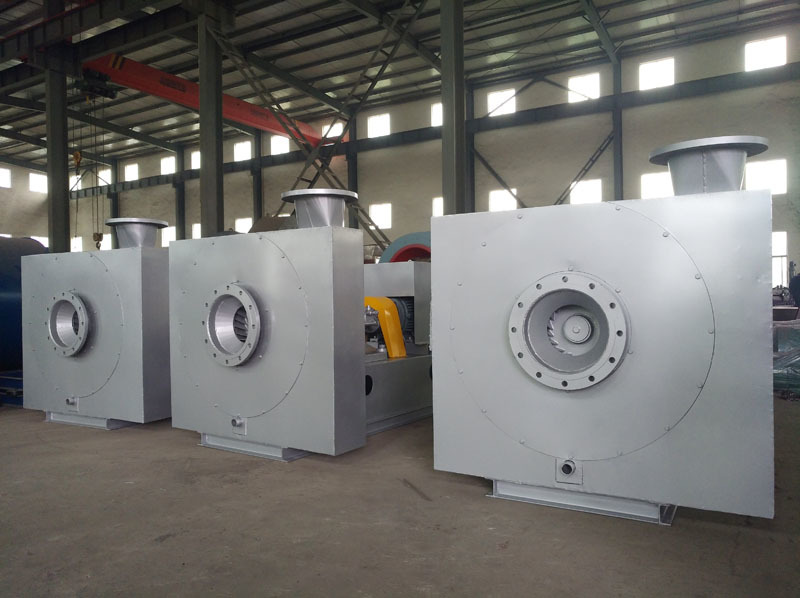
The working principle of the industrial waste incinerator: Waste is sent to the drying bed by the automatic feeding device for drying, and then sent to the first level grate, where it is vaporized and cracked at high temperatures. The grate is driven by a pulse air dynamic device, which throws the waste step by step into the next level grate, where polymer substances are cracked and other materials are burned. This continues until it is completely burned out and enters the ash pit, where it is discharged by the automatic slag discharge device. Combustion air is injected from the air holes on the grate, mixing and burning with the waste, while the waste is suspended in the air. The vaporized and cracked substances enter the secondary combustion chamber for further cracking and burning, and the unburned flue gas enters the third combustion chamber for complete combustion; the high-temperature flue gas heats steam through the boiler heating surface and is discharged after cooling.IncineratorThe incinerator mainly utilizes the complete combustion of fuels such as coal, fuel oil, and gas to incinerate and carbonize the objects to be treated at high temperatures, achieving disinfection. It is a high-temperature thermal treatment technology, where a certain amount of excess air reacts with the organic waste to be treated in the incinerator, causing an oxidative combustion reaction, and the harmful and toxic substances in the waste are destroyed through oxidation and pyrolysis at high temperatures. It is a treatment technology that can simultaneously achieve waste harmlessness, reduction, and resource recovery.
The main purpose of the incinerator is to burn waste as much as possible, making the post-combustion materials harmless and reducing their volume, while minimizing the generation of new pollutants and avoiding secondary pollution. It is very suitable for treating waste with a high organic component and high calorific value, effectively reducing the cost of waste incineration and achieving better economic benefits from the incineration method.
Since organic solvents have a very high calorific value and are also expensive, as long as the design and use of the exhaust gas are reasonable, it is entirely possible to burn only the exhaust gas without consuming a large amount of fuel, and the heat generated by the incinerator can also be returned to heat equipment such as glue machines. Using such an exhaust gas incinerator not only protects the environment but also saves energy.
由于有机溶剂具有很高的热值,而且有机溶剂也很贵,只要废气Incinerator的设计和使用合理,就完全可以做到只燃烧废气,不需要消耗大量的燃料,而且焚烧炉产生的热量还可以回送给上胶机等用热设备加热。采用这样的废气焚烧炉,既保护环境,还节约能源。
Related News

Tel: 0510-87601805
E-mail: shenhong@zt-fan.com
Address: No. 2, Wendong East Road, Industrial Concentration Zone, Xushe Town, Yixing City, Jiangsu Province (No. 58, Original East Road)

Scan QR code
Plus WeChat
Copyright © 2024 Jiangsu ZT Fan Co., Ltd. Business License


