
Functions and Features of the Incinerator
Release time:
2022-02-23
The waste incineration furnace has advantages such as advanced technology, reliable processes, simple and safe operation (single feed, single ash discharge), low investment (no moving parts), low dust content in flue gas (minimal incineration agitation), low operating and maintenance costs, long service life, and no need to sort waste before feeding it into the incineration furnace.
WasteIncineratorIt has advantages such as advanced technology, reliable process, simple and safe operation (single feed, single slag discharge), low investment (no moving parts), low dust content in flue gas (small incineration agitation), low operating and maintenance costs, long service life, and no need to sort waste before feeding into the incinerator. Its disadvantages include that the pyrolysis process prolongs the incineration time and has low thermal efficiency. The temperature variation frequency in the first combustion chamber is high (once a day), which greatly affects the refractory materials, makes heat recovery inconvenient, and requires a high level of automation control. It is suitable for processing waste with relatively high calorific value, loose shape, and relatively simple composition and properties, but the pyrolysis effect on slurry and large solid materials is not ideal.
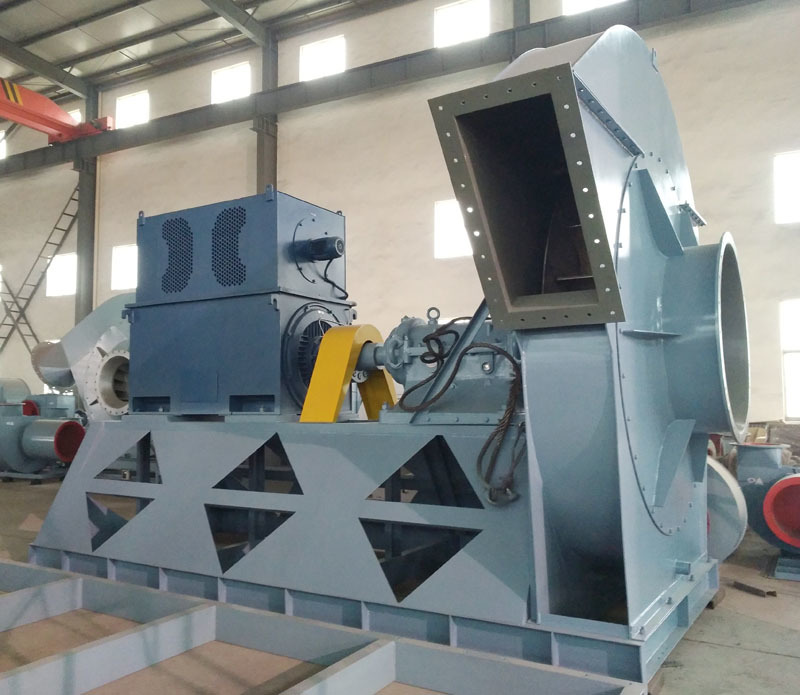
The waste incinerator burns and carbonizes treated materials at high temperatures to achieve disinfection. Currently, incinerators have significant application value in the harmless treatment of carcasses of diseased animals, medical waste, and toxic and harmful solid waste.
Taking the incineration of animals as an example, it explains the operation steps for harmless treatment.IncineratorThe operation steps for harmless treatment are: inject fuel, connect the power supply, start the combustion aid switch, when the temperature in the furnace reaches the self-ignition temperature, put the carcasses of diseased livestock and poultry and their products into the furnace, turn off the combustion aid switch, start the self-ignition switch, and put all uncut carcasses of diseased livestock and poultry into the incinerator, start the self-ignition switch, and incinerate the carcasses until carbonization completely stops, incinerating the entire carcass: all uncut carcasses of diseased livestock and poultry enter the incinerator.
Meat incineration: After cutting the diseased meat, place it in the incinerator, turn on the self-ignition switch, and allow the meat to self-ignite until complete carbonization stops. Incineration of organs: Place all organs of diseased livestock and poultry into the incinerator, turn on the combustion aid switch, and allow the organs to burn in the aided combustion state until complete carbonization stops. The incineration method can handle not only solid waste but also liquid and gas waste; it can process municipal waste and general industrial waste, as well as hazardous waste. Organic solid, liquid, and gas waste in hazardous waste is usually treated by incineration. During the incineration of municipal solid waste, leachate and odors generated during the temporary storage process before incineration are often introduced into the incinerator for burning.
Characteristics of RTO incinerators
1. Micro-negative pressure design, high combustion safety.IncineratorThe control program has an ignition function, and does not discharge flammable and explosive gases in the furnace before ignition to prevent gas explosions.
2. The incinerator uses a dual-fluid pre-mixed atomization spray gun to emit extremely fine foam droplets, increasing the specific surface area of the waste liquid in the high-temperature zone of the furnace, ensuring rapid gasification and oxidation decomposition of the waste liquid in the furnace.
3. A design for the pyrolysis of saline wastewater is implemented according to the characteristics and composition of the wastewater,Incineratorensuring that inorganic salts do not melt and form slag during the incineration process, preventing salt mist from escaping the furnace.
4. The incinerator uses a tangential combustion atomization device with an internal mixed dual-fluid atomizer, achieving a high degree of mixing and atomization effect, with low excess air, which can save a large amount of fuel.
5. Simultaneous treatment of waste oil, waste liquid, and waste solvent, with low operating costs.
Related News

Tel: 0510-87601805
E-mail: shenhong@zt-fan.com
Address: No. 2, Wendong East Road, Industrial Concentration Zone, Xushe Town, Yixing City, Jiangsu Province (No. 58, Original East Road)

Scan QR code
Plus WeChat
Copyright © 2024 Jiangsu ZT Fan Co., Ltd. Business License


